
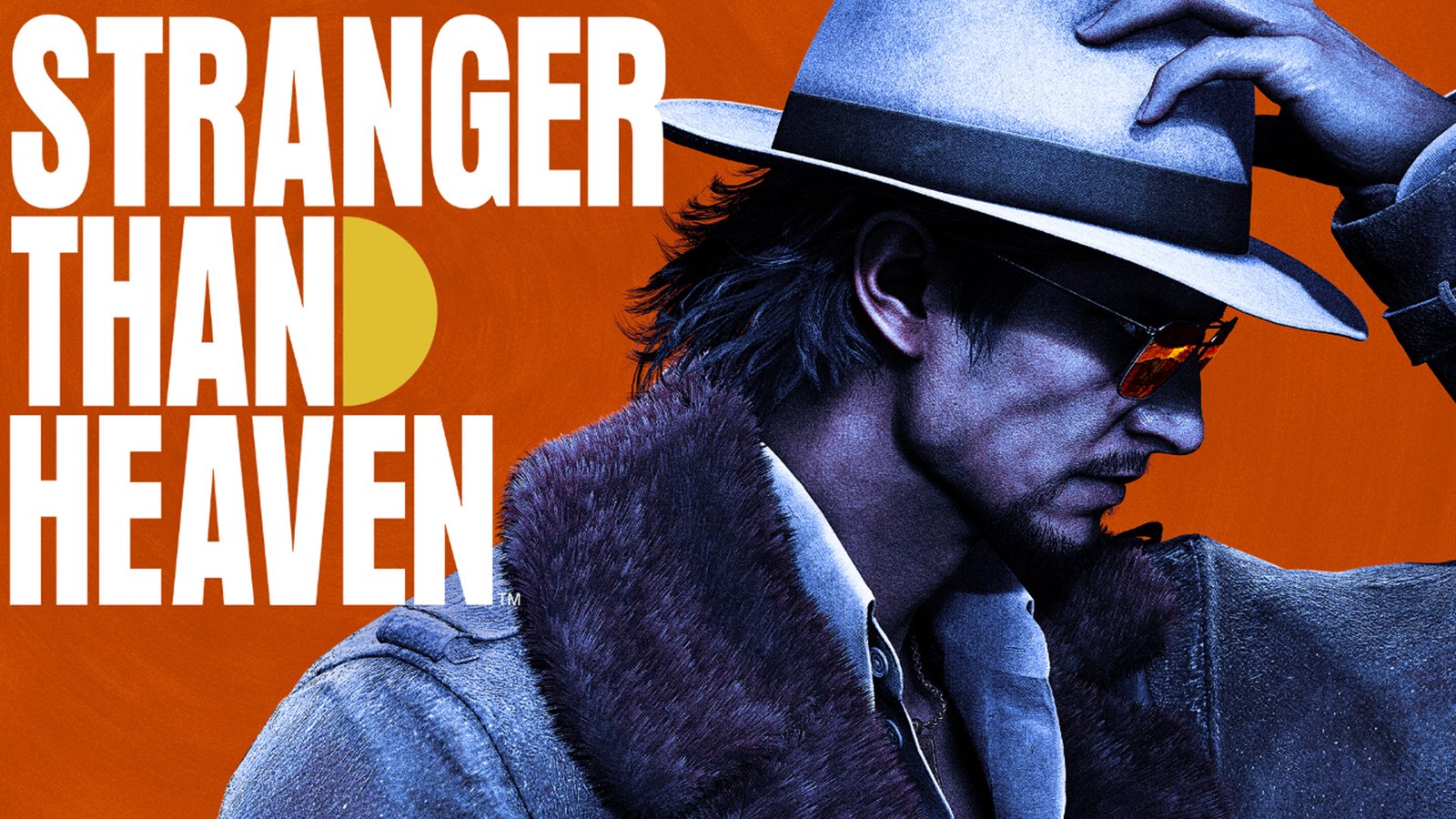
Summary
- This brand-new show offered 30 minutes of new information on the world of Stranger than Heaven, with insight from cast members and key leads at RGG Studio.
- We learned more about lead protagonist Makoto Daito, the cities his story will take place in, and got a first look at a new combat system built for the game.
- Stranger than Heaven arrives this winter for Xbox Series X|S and Xbox on PC as an Xbox Play Anywhere title, and will be available day one with Xbox Game Pass.
We’ve just wrapped up ‘Xbox Presents: A Special Look at Stranger Than Heaven’ – an entire show dedicated to offering an inside look at the exciting new project from the brilliant RGG Studio.
During the 30-minute broadcast, several minds behind the upcoming action-adventure game – including RGG Studio Head Masayoshi Yokoyama, Producer Hiroyuki Sakamoto, and Game Director Mikinobu Abe – took us through the story structure, the different locations you’ll explore, and some of the bombastic personalities you’ll encounter as you move through protagonist Makoto’s life. We also heard from legendary star Snoop Dogg and his real-life son Cordell Broadus, who both play substantial roles in this ambitious adventure, as well as multiple other actors who’ll make appearances in the game, including J-Pop artist Satoshi Fujihara, and American singer-songwriter Tori Kelly.
There’s a lot to go over, so we’ve compiled a recap of everything shown in the broadcast – from character reveals, the five cities that the game takes place across, to the fresh combat system that RGG Studio has built especially for Stranger Than Heaven.
Let’s get into it!
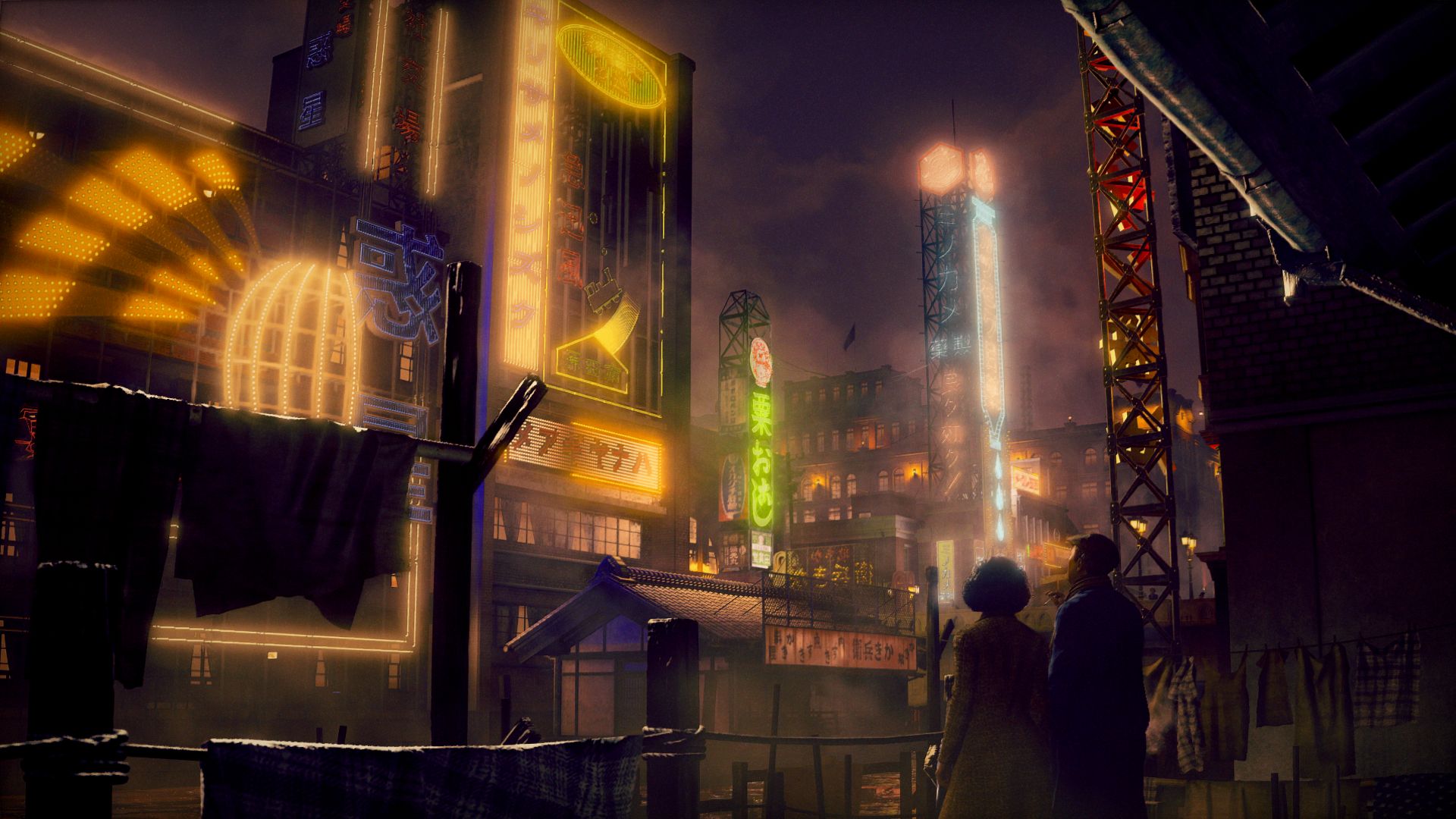
The Story
Stranger Than Heaven’s narrative spans 50 years, following the life of main character Makoto Daito. Born in the United States to an American father and a Japanese mother, Makoto loses both of his parents very young, and faces many struggles growing up in the west. In 1915, he decides to find a way to Japan, and stows away on a boat, where he is caught by Orpheus (Snoop Dogg) – a “cutthroat and charismatic smuggler” according to the actor himself.
Makoto also meets Yu Shinjo – a boy a little older than him, who is also of mixed heritage, and his goal to start a new life in Japan. Yu will ultimately become Makoto’s good friend and rival throughout the events of Stranger Than Heaven, as the two young men’s lives become intertwined.
The pair are nearly thrown overboard by Orpheus, but instead, the origins of a partnership begins to blossom.
“Orpheus realizes in that moment that maybe what he’s destined to deliver are the lives of these two boys,” says Cordell Broadus, who plays a yet-to-be-revealed character that’s also a part of this ensemble.
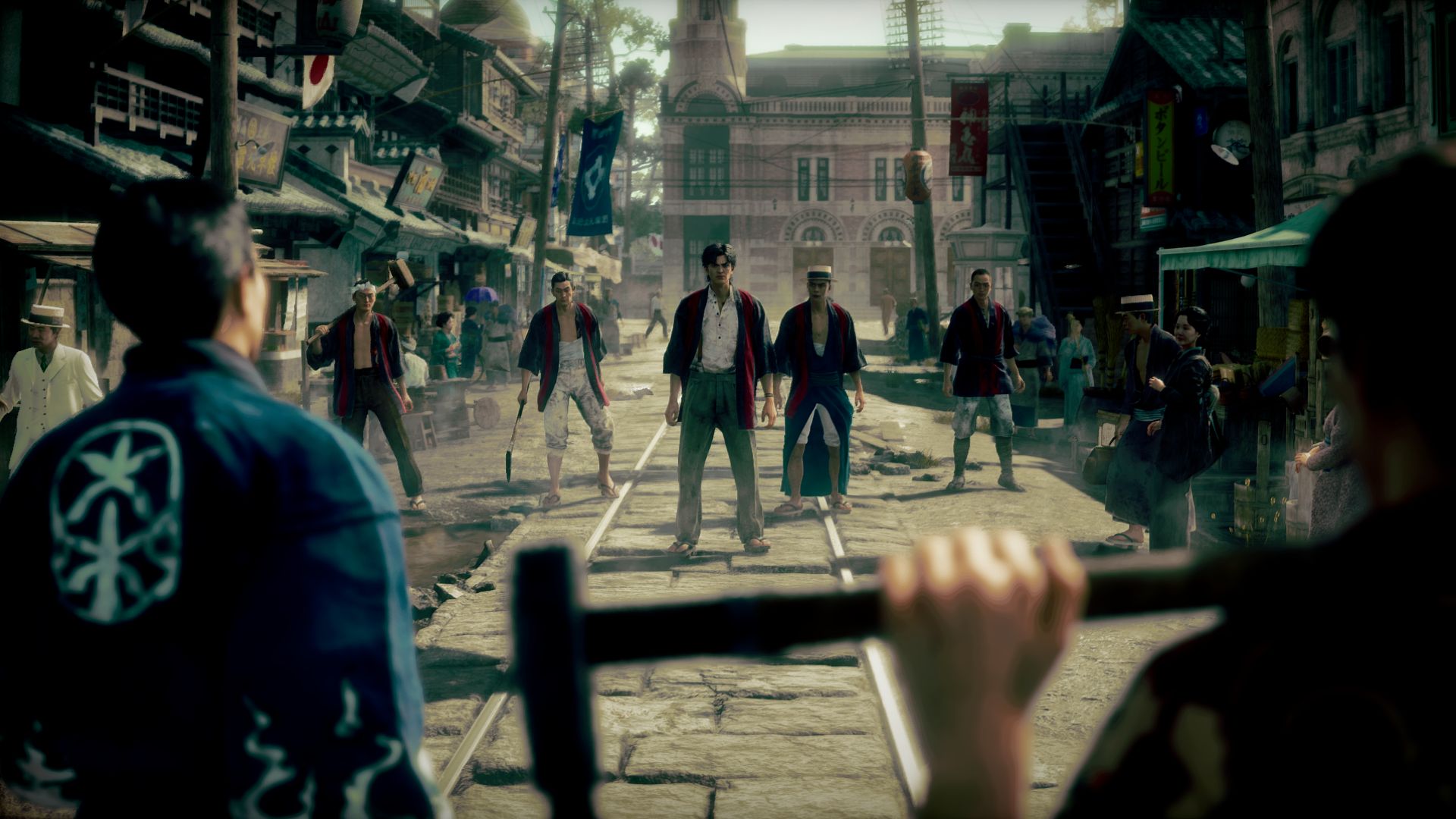
The group arrives in Kokura, Fukuoka, a major industrial spot and a hotbed for crime. This is where the 1915 segment of Stranger Than Heaven’s story begins, with Makoto and Yu starting to make a life for themselves.
Orpheus brings Makoto on as his “sidekick, his wingman” according to Broadus, taking advantage of the fact that Makoto can speak Japanese. Through countless jobs, Makoto soon finds his footing and embroils himself in the underbelly of Kokura, while Yu quickly finds himself work and becomes comfortable as a Westerner in Japan. During this time, Orpheus discovers that Makoto has a keen talent for music, which will become a key part of his story.
The two friends find themselves at odds – Makoto’s main goal is simply to survive and carve out a place for himself after years of persecution in the West, while Yu is much more ambitious in his aims to “reshape Japan”. These ideals soon clash and the boys part ways in Fukuoka, but are thrust together once again as “partners in showbusiness” during a “chaotic and unpredictable” section later in the game. So, let’s talk about those many settings and time periods a little more…
The Cities
The five decades of Stranger Than Heaven unfold across five main districts inspired by real-life Japanese cities, each with their own unique storylines and identities.
As mentioned earlier, the first location that you’ll experience is Kokura, Fukouka, in 1915. It’s the destination for Orpheus’ ship, and a major industrial area in Western Japan, where jobseekers from across the country accumulate to look for work. Faced with an absence of modern entertainment, it’s also a hotbed for various vices – drinking, gambling, prostitution – you name it, this city has it all.
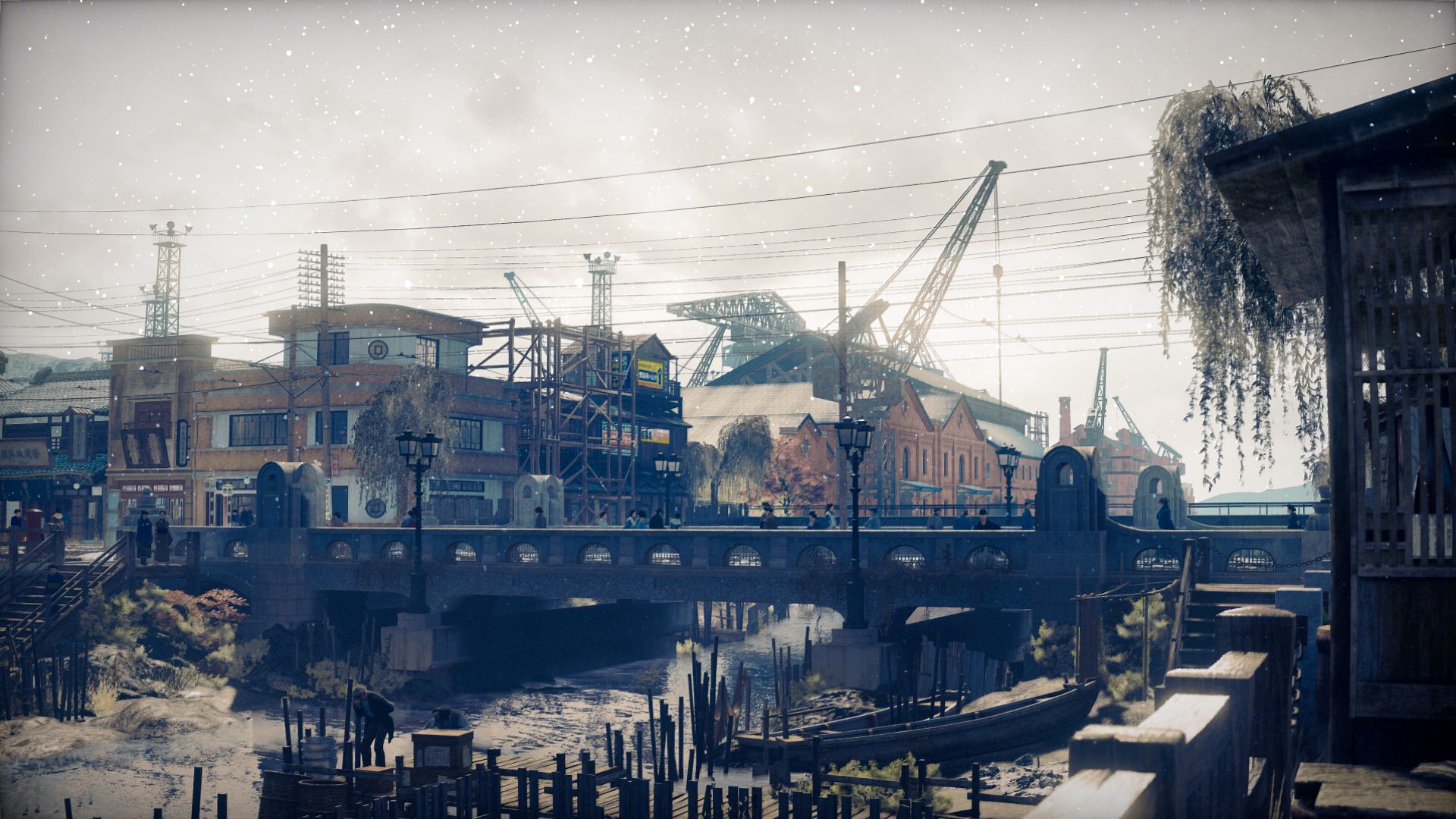
From there, the game moves to Kure, Hiroshima in 1929. This city has a strong focus on shipbuilding and heavy industry, and also functions as a social hub for various countries, giving it a unique atmosphere alongside the modernisation of Japanese entertainment. This is where Makoto begins to establish himself with the various yakuza organizations controlling the city – eventually becoming part of the Iwaki Family, Hiroshima’s strongest organization. Here, he becomes known as the Red Oni, a name to be respected and feared among the families.
Stranger Than Heaven’s third section takes us to Minami, Osaka in 1943, where Makoto and Yu reunite and work together. Minami is a vibrant entertainment hub full of light and life, but behind the scenes there is foreign influence. The Yakuza and Italian Mafia compete for dominance in the shadows, but on the surface, new forms of entertainment thrive. This is where Makoto and Yu’s showbusiness activities take place, which we’ll dig into shortly.
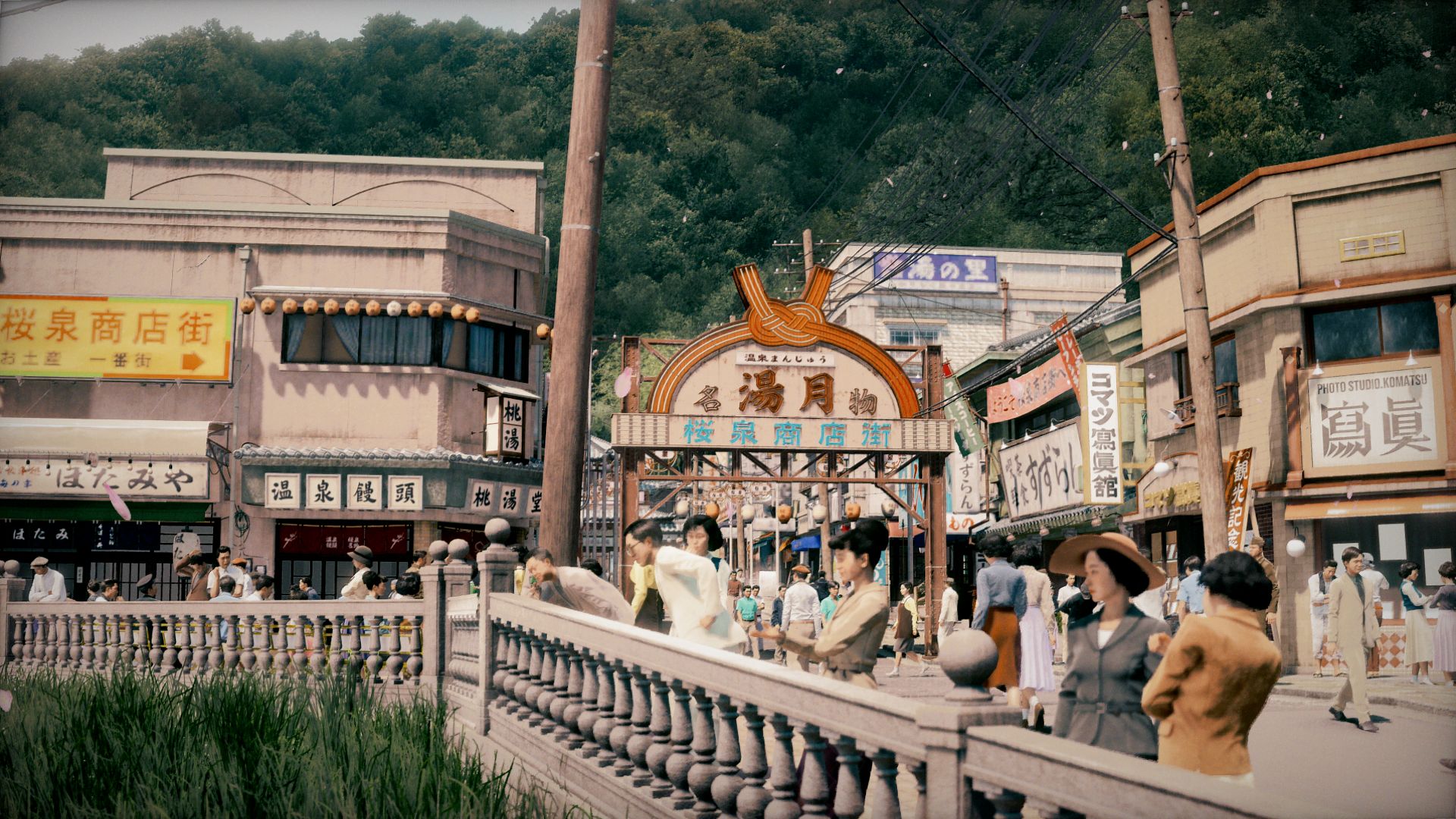
The next location is Atami, Shizuoka, one of Japan’s most notable tourist destinations. This area is much less urban, steeped in cherry blossoms and breathtaking vistas, showcasing the natural beauty of the less populated country. Set in 1951, American influence has started to permeate through Japan by this point, creating new trends in language, music, and fashion.
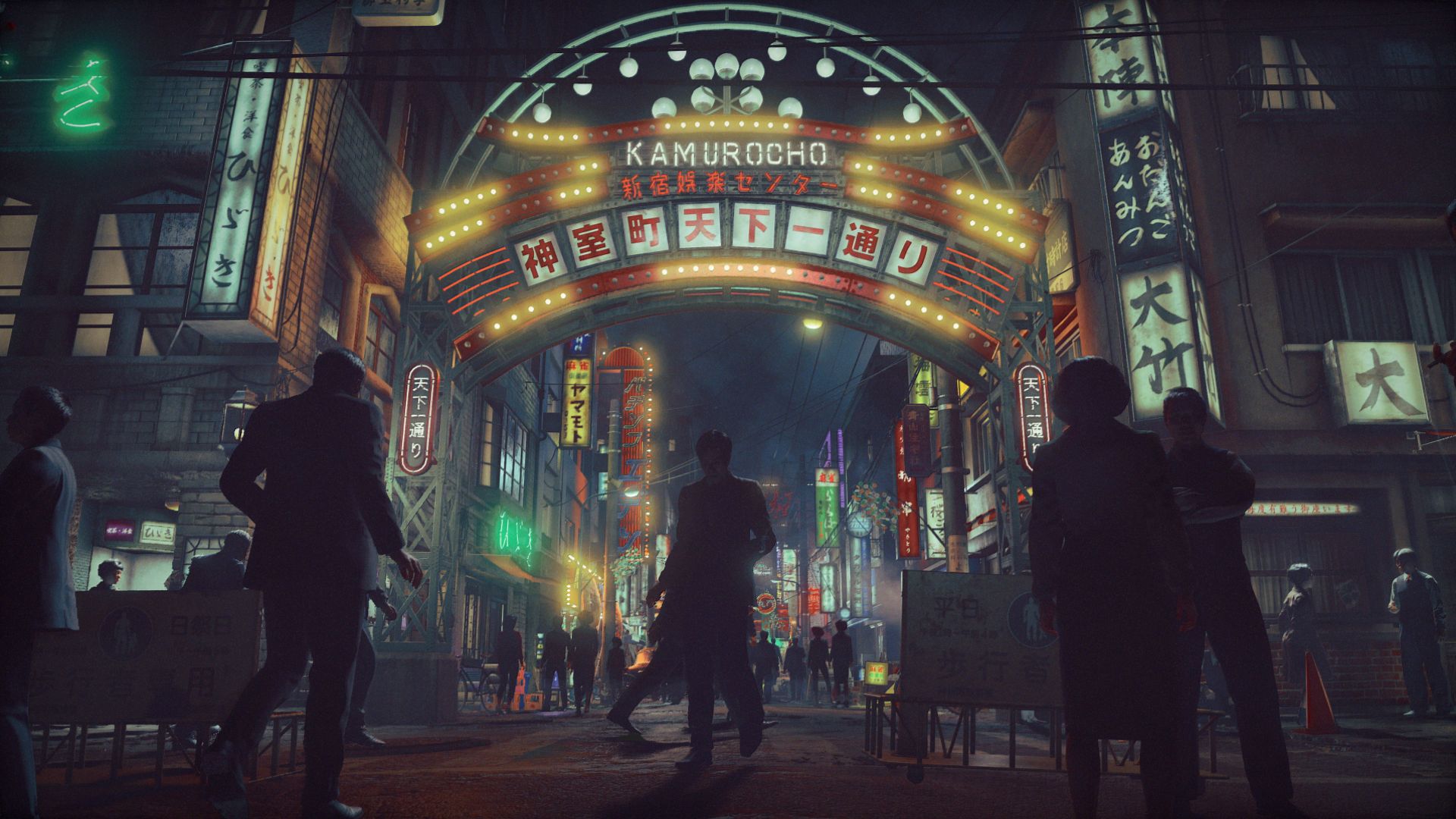
Finally, the story concludes in Tokyo, 1965. This segment takes place in Shinjuku, Tokyo. Yokoyama-san shares that a “tremendous secret will be revealed” at this part of the game, and more will be revealed soon.
We also get a glimpse at some gameplay activities that Makoto can partake in around these different locations, minigames appear to include arm-wrestling contests, dice-rolling, and card-based games in Fukuoka, and target shooting activities in Osaka.
The Greatest Showman
A major part of Stranger Than Heaven revolves around Makoto and Yu’s tenure as partners in showbusiness – not least because Makoto has a great talent for music, and a “keen ability to find the music in everyday life, [memorizing] the sounds as ideas for future compositions”, according to Game Director Mikonobu Abe.
This translates into an interesting gameplay mechanic – while exploring, Makoto can walk up to sounds happening in the world around him and select them to save as ‘recordings’, whether it’s the noise of a sweeping broom, a passing train, or the thunk of an enemy hitting the curb during a combat sequence. These sounds can vary based on era, location, or time of day and are compiled in a library for later use.
At certain points in the game, Makoto will encounter composers, and you’ll be able to use the collected sounds to create original compositions that have different instruments and moods, an interesting mechanic that’ll enable players to create some truly unique pieces of music.
Collecting sounds and composing ties into Makoto’s wider calling as a showman, producing and managing gigs and performances for other artists. This is where Stranger Than Heaven incorporates management elements; Makoto will organize the structure of various shows, decide which musicians will take part in it, and choose a setlist. During the broadcast, we see an example of this where the player can arrange a five-piece band on a stage by choosing from a roster of performers.
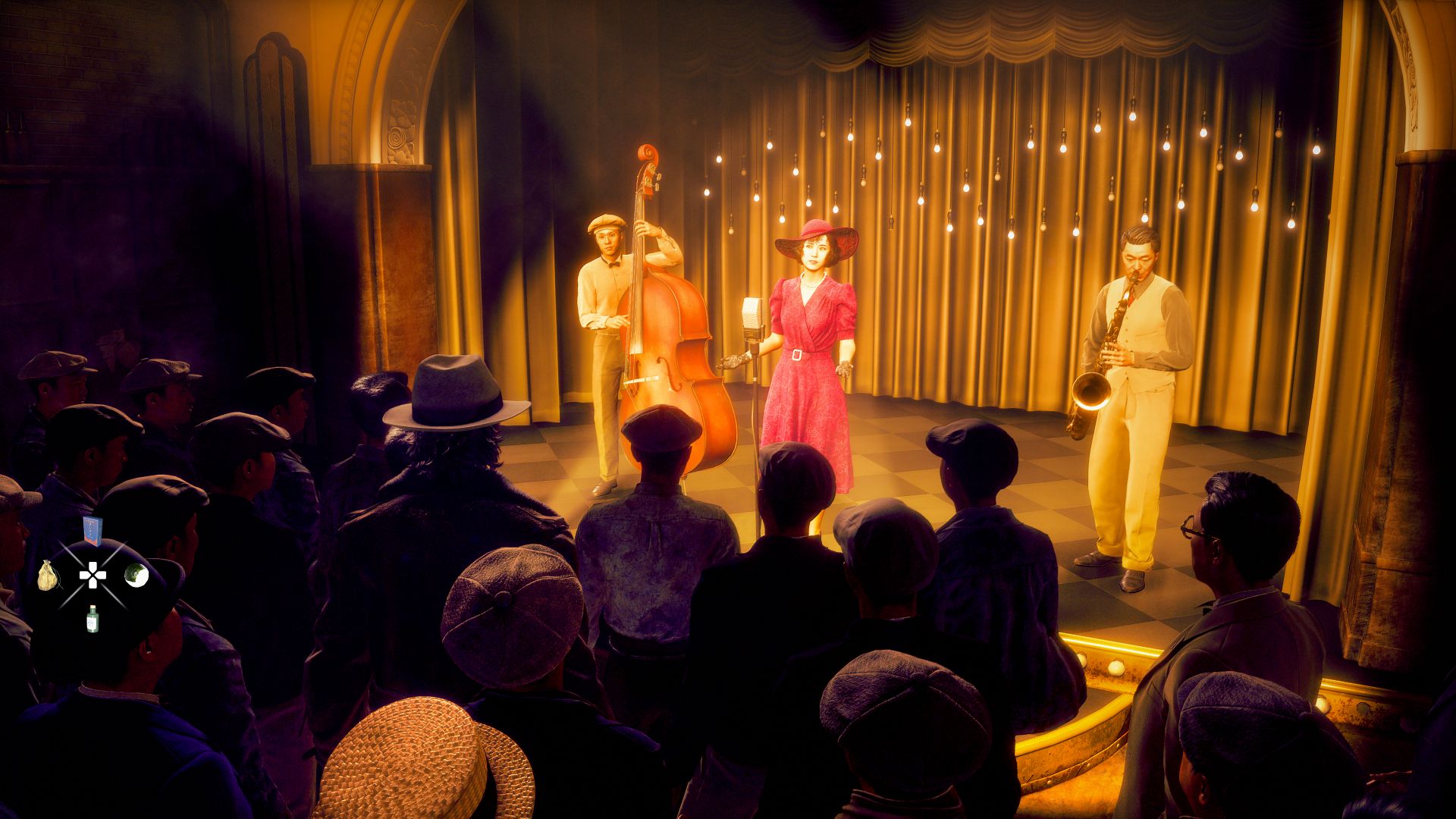
Another key element of this management section is scouting – seeking out individuals with a gift for music to take part in your shows, and this can be done by gathering intel around town and observing NPC dialogues out in the world. As the story unfolds, Makoto will develop relationships with several performers, that all possess “unique and remarkable abilities” according to Abe-san.
Among them are Singers, which appear to be a special class of characters that Makoto will encounter. Some of Stranger Than Heaven’s Singers are played by real-world artists you may even be familiar with already. A notable character we’re introduced to during the show is Takashi, played by J-Pop artist Satoshi Fujihara. Makoto meets Takashi through yakuza connections, and he eventually becomes Makoto’s assistant and protegé.
During the game’s Shizuoka segment, Makoto will meet Suzy, an ambitious Singer played by American singer-songwriter Tori Kelly. “This collision of East and West results in a unique era that exudes both optimism and melancholy,” Kelly says. “Stranger Than Heaven brings players inside Japan’s showbusiness world at a pivotal moment in the country’s history, and unsurprisingly, showbiz’s customs and culture turn out to be just as cutthroat as the underworld’s.”
Tori Kelly and Satoshi Fujihara also wrote Stranger Than Heaven’s theme song, which you’ll hear for the first time during the broadcast.
The Combat
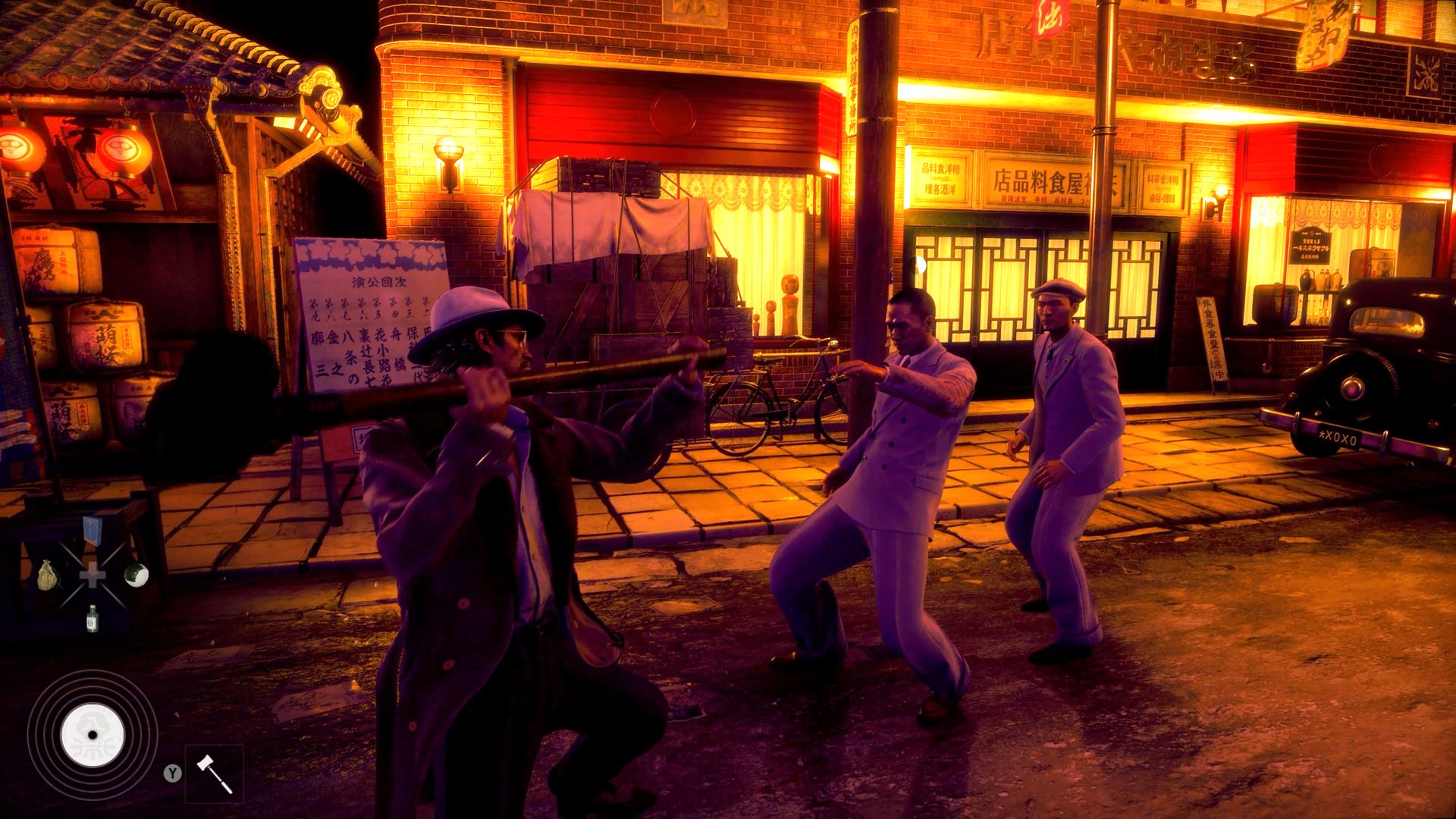
Alongside a talent for singing and showmanship, Makoto also possesses incredible fighting ability. Stranger Than Heaven features an entirely new combat system, built specially for the game, and it’s “one of the biggest features of this title” according to Stranger Than Heaven producer Hiroyuki Sakomoto. What makes this system particularly unique and compelling is that the player controls the left and right sides of Makoto independently.
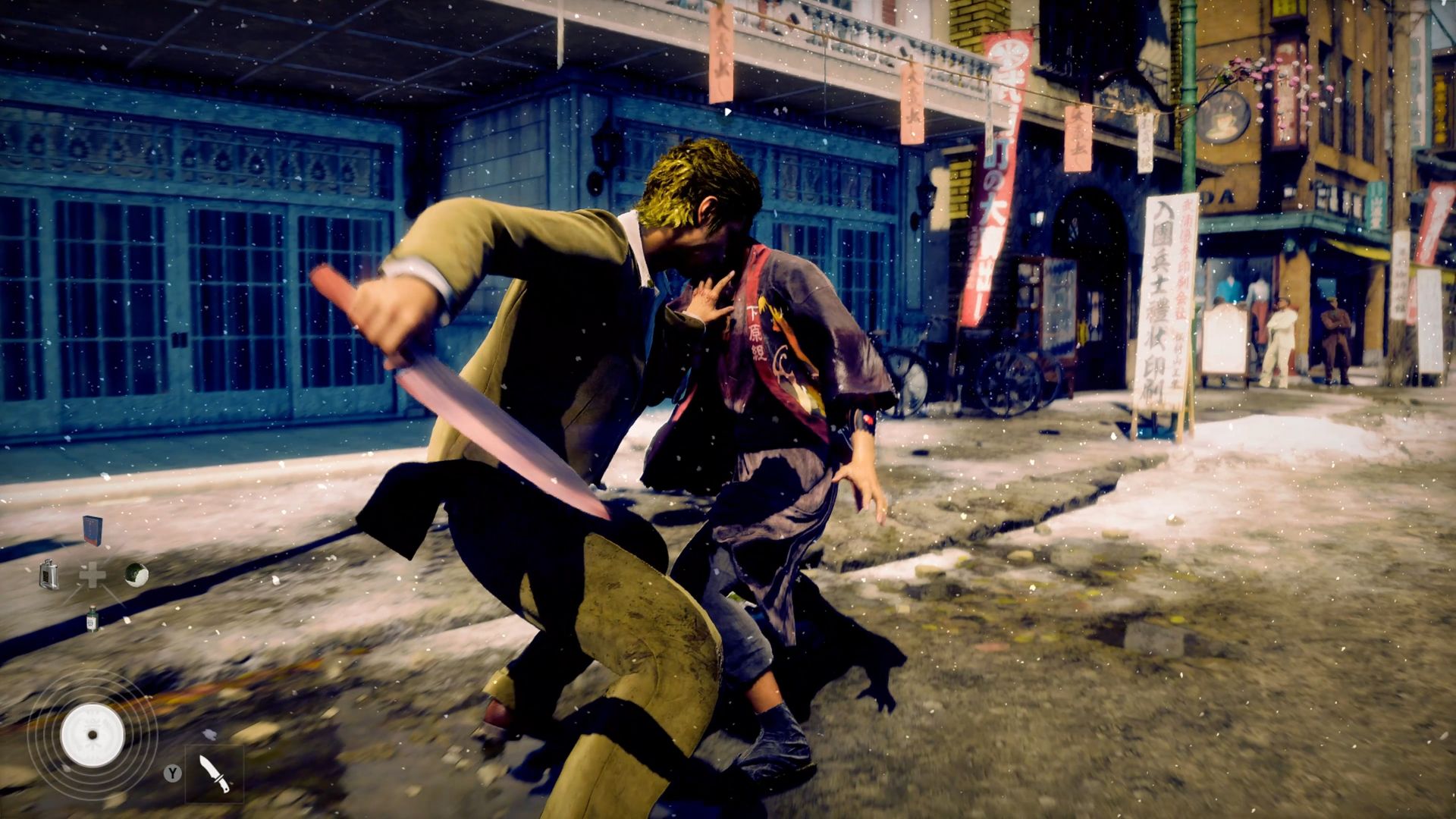
In practice, you’ll use RB + RT to control Makoto’s right arm and leg, and LB + LT to manoeuvre his left arm and leg. In the show, we see Makoto’s right arm being held by an enemy, but he’s still able to attack with his left. Alongside combo systems, players can “charge up” their attacks by holding a button down and releasing it at the right moment for a more powerful hit. Players can block with one arm, and then counterattack with a swift attack from the other, or tackle an enemy using LT and RT together. Observing an enemy’s actions to see what moves they’ll pull makes for a compelling, dynamic combat experience, which is as much about reading the room as it is hitting the right inputs.
Makoto’s fists and feet are not the only tools on hand either – Stranger Than Heaven has a rich weapons roster ranging from basic knives, hammers, mallets, to masterworks of old like katanas, and “brand-new inventions of the era.” These weapons can also be upgraded, and have special attacks and passive abilities, giving Makoto even more options in how to fight.
We also see some intense cinematic design in select combat sections – including a close-quarters brawl inside a fast-moving car. Sakamoto also tells us that Makoto can perform powerful finishing moves, and context-sensitive attacks depending on the situation he’s in. All of these elements come together to make a fresh, robust combat system perfect for Stranger Than Heaven’s story.
While we’ve seen so much during Xbox Presents: A Special Look At Stranger Than Heaven, there’s still much more to be uncovered, and we can look forward to learning more. Fortunately, there’s not too long to wait until launch – Stranger than Heaven arrives this winter for Xbox Series X|S and Xbox on PC as an Xbox Play Anywhere title, and will be available day one with Xbox Game Pass.
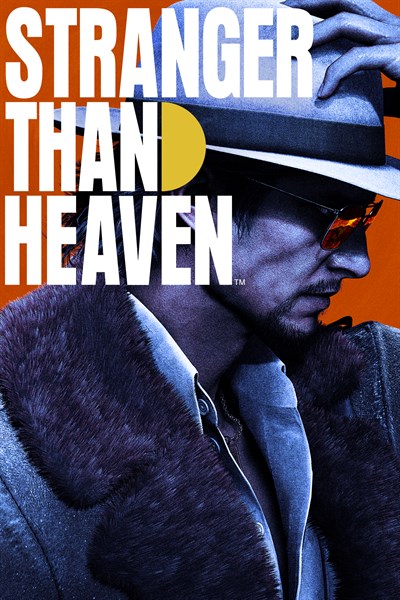

STRANGER THAN HEAVEN
SEGA
An epic saga of men battling through five eras and five cities.
Tune-in to Xbox Presents: A Special Look at STRANGER THAN HEAVEN, a standalone broadcast featuring a full reveal of the brand-new title from Ryu Ga Gotoku Studio on May 6th at 4:00 pm PDT | May 7 at 1:00 am CEST.
Look forward to exciting details and an all-star cast from around the world.